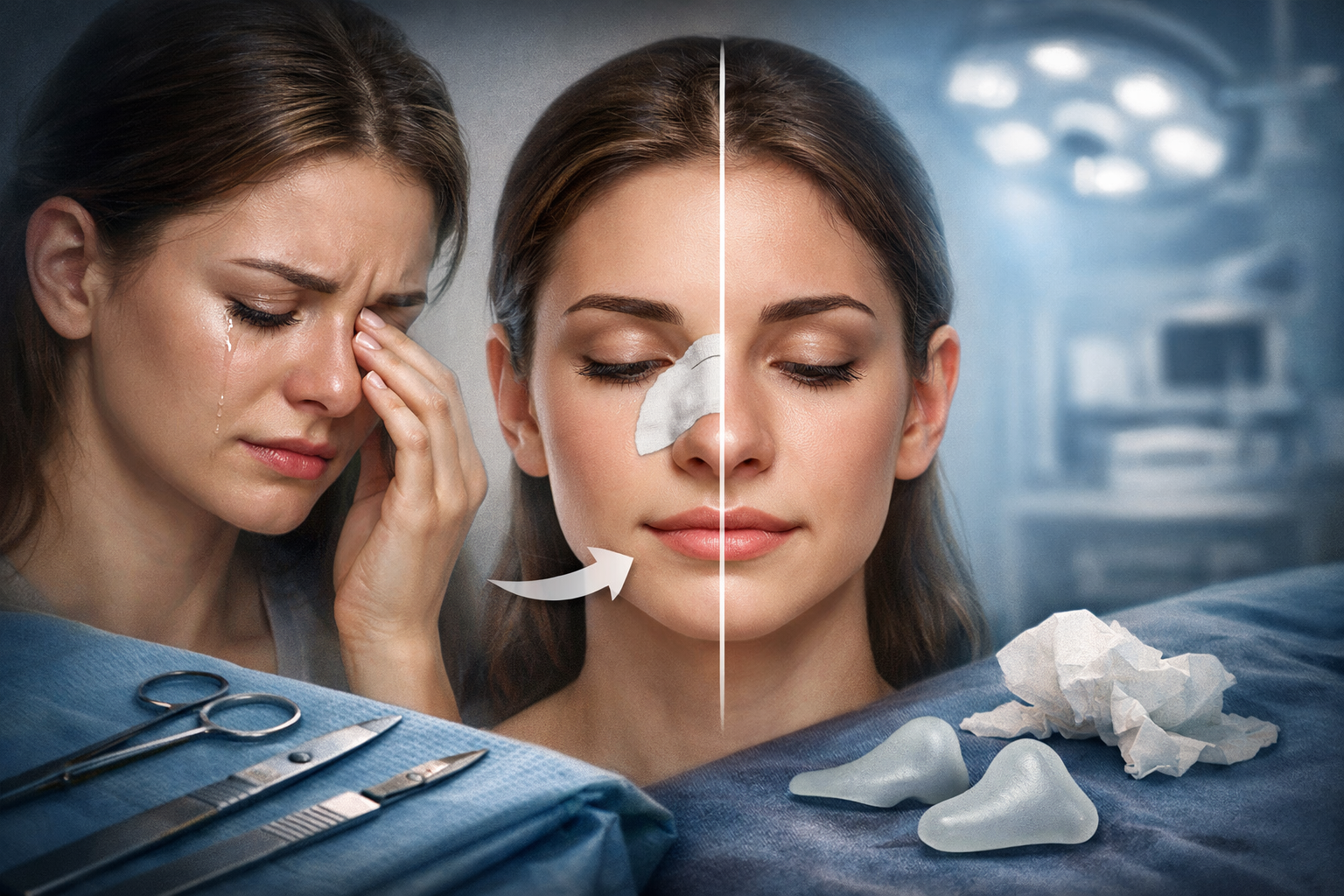
Regretting Rhinoplasty: Common Reasons, Emotional Impact, and What to Do Next
Rhinoplasty, commonly referred to as a nose job, is one of the most popular cosmetic surgeries performed worldwide. While many patients are satisfied with their results, there are instances where individuals find themselves regretting rhinoplasty. This article delves into the common reasons behind such regrets, the emotional toll it can take, and the available options for those contemplating secondary rhinoplasty or revision surgery.
Understanding the factors that lead to dissatisfaction with rhinoplasty results is crucial for potential patients. By being informed, individuals can make better decisions regarding their cosmetic procedures. Click here to learn more about rhinoplasty surgery.
Common Reasons for Regretting Rhinoplasty
There are several reasons why a patient may regret their rhinoplasty. Some of the most common include:
- Unrealistic Expectations: Many patients enter surgery with a specific vision of how they want their nose to look. If the results do not align with these expectations, feelings of disappointment can arise.
- Complications or Side Effects: Like any surgical procedure, rhinoplasty carries risks. Complications such as infection, scarring, or breathing difficulties can lead to regret.
- Change in Personal Preference: Over time, an individual’s aesthetic preferences may evolve. What once seemed like an ideal nose may no longer align with their current self-image.
- Inadequate Communication: Sometimes, a lack of clear communication between the patient and surgeon can lead to misunderstandings regarding the desired outcomes.
- Emotional Impact: The emotional effects of surgery can be profound. Patients may experience anxiety or depression if they feel their appearance has not improved.
The Emotional Impact of Regretting Rhinoplasty
The emotional ramifications of regretting rhinoplasty can be significant. Patients may experience a range of feelings, including:
- Disappointment: A sense of loss can occur when the anticipated results do not manifest.
- Low Self-Esteem: Individuals may feel less confident or dissatisfied with their appearance, impacting their overall self-worth.
- Social Withdrawal: Regret may lead some to avoid social situations, fearing judgment or negative comments about their appearance.
- Depression and Anxiety: Persistent dissatisfaction can result in mental health issues, necessitating professional support.
What to Do Next?
If you find yourself regretting rhinoplasty, it is essential to explore your options. Here are some steps to consider:
1. Consult with a Qualified Surgeon
Seeking a consultation with a board-certified plastic surgeon specializing in revision rhinoplasty is crucial. They can assess your situation, discuss your concerns, and provide insight into possible corrective procedures.
2. Consider Revision Rhinoplasty
Revision rhinoplasty is a surgical procedure designed to correct or improve the results of a previous rhinoplasty. This option may help address issues such as asymmetry, breathing difficulties, or aesthetic concerns.
3. Explore Non-Surgical Options
In some cases, non-surgical treatments such as dermal fillers may provide temporary solutions to minor aesthetic issues. These options can enhance the appearance of the nose without the need for additional surgery.
4. Seek Emotional Support
It is vital to address the emotional aspects of regretting rhinoplasty. Consider speaking with a therapist or counselor who specializes in body image issues or cosmetic surgery recovery.
Conclusion
Regretting rhinoplasty is a reality for some individuals, but it is essential to remember that options are available. Whether through revision surgery or emotional support, taking proactive steps can lead to a more satisfying outcome. If you are experiencing persistent dissatisfaction or emotional distress following rhinoplasty, reach out to a qualified professional for guidance and support.
FAQ
What are the signs that I might regret my rhinoplasty?
Signs may include persistent dissatisfaction with your appearance, feelings of disappointment, or emotional distress related to your nose's appearance.
Can I have a revision rhinoplasty if I regret my first surgery?
Yes, many patients opt for revision rhinoplasty to correct issues from their initial surgery. Consult with a qualified surgeon to discuss your options.
How long should I wait before considering revision rhinoplasty?
It is generally recommended to wait at least 6 to 12 months after the initial surgery to allow for complete healing before considering revision.
Are there non-surgical options to improve my nose appearance?
Yes, non-surgical options like dermal fillers can temporarily enhance the nose's appearance without surgery. Consult with a professional to explore these options.
How can I cope with feelings of regret after rhinoplasty?
Seeking support from a mental health professional can be beneficial. They can help you process your feelings and develop coping strategies.
Medical Disclaimer
The information provided in this article is for informational purposes only and should not be considered a substitute for professional medical advice, diagnosis, or treatment. Always seek the advice of your physician or another qualified health provider with any questions you may have regarding a medical condition or treatment. Never disregard professional medical advice or delay in seeking it because of something you have read in this article.
If you are experiencing pain or persistent dissatisfaction after your rhinoplasty, we encourage you to consult with a qualified professional for a thorough evaluation and guidance.