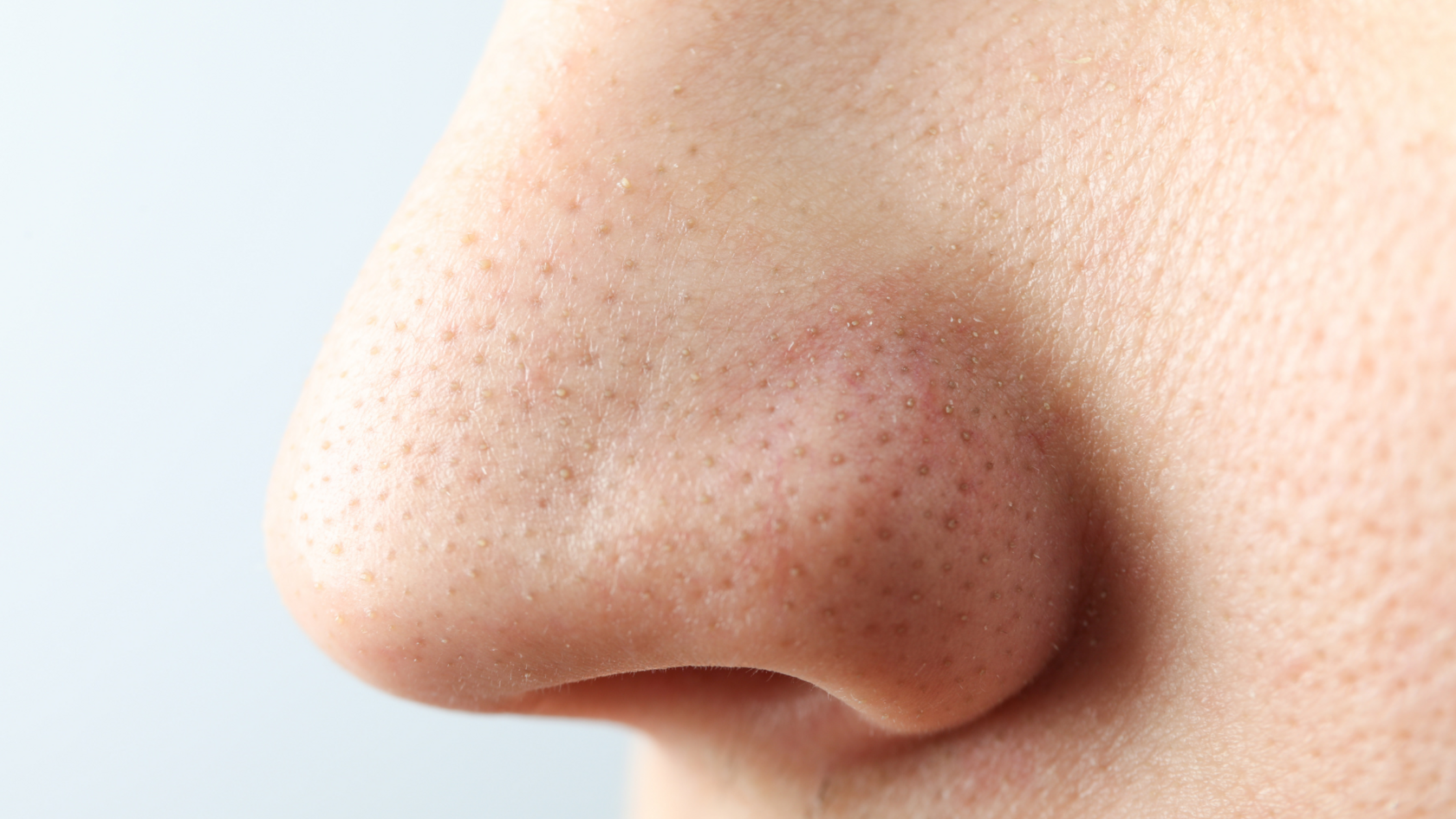
My Nose Is Big: Understanding Your Features and Exploring Rhinoplasty
Many people feel self-conscious about having a big nose. Society often sets beauty standards that emphasize small, delicate noses, but the truth is, facial harmony is more important than size alone. A prominent nose can be a defining characteristic, adding uniqueness and character to your face. Some of the world's most admired celebrities and historical figures have had larger noses, proving that beauty is diverse and subjective.
Why Does My Nose Look Big?
The perception of a "big" nose depends on several factors:
- Genetics: Your nose shape is inherited from your family.
- Facial Proportions: A nose may appear larger if other facial features are small or delicate.
- Dorsal Hump: A bump on the bridge can make the nose look more pronounced.
- Nasal Tip Shape: A bulbous or drooping nasal tip can contribute to the overall size perception.
- Profile View vs. Frontal View: A nose may seem larger from the side than from the front.
If you feel that your nose doesn't suit your face or affects your confidence, you might be considering options to enhance facial balance, including non-surgical contouring techniques or rhinoplasty.
What Is Rhinoplasty?
Rhinoplasty, or a "nose job," is a cosmetic surgical procedure that reshapes the nose to improve its appearance and, in some cases, function. There are two main types:
- Cosmetic Rhinoplasty: Focuses on refining the nose’s appearance to enhance facial harmony.
- Functional Rhinoplasty: Corrects breathing problems caused by structural issues like a deviated septum.
Who Is a Good Candidate for Rhinoplasty?
You might consider rhinoplasty if:
- You feel your nose is disproportionate to your face.
- You have a hump on the bridge or a bulbous tip.
- Your nose is asymmetrical or crooked.
- You experience breathing difficulties due to nasal structure.
- You have realistic expectations about the outcome.
Surgical vs. Non-Surgical Options
While rhinoplasty is a permanent solution, there are non-surgical alternatives for minor changes:
- Non-Surgical Rhinoplasty: Uses dermal fillers to smooth out bumps or refine the nasal tip.
- Makeup Contouring: Strategic use of makeup can create the illusion of a smaller nose.
- Hairstyling Tricks: Certain hairstyles can draw attention away from the nose and balance facial proportions.
The Rhinoplasty Procedure and Recovery
A rhinoplasty procedure usually takes between 1 to 3 hours and can be performed under general or local anesthesia. Recovery involves:
- Swelling and bruising for the first two weeks.
- Wearing a nasal splint for about a week.
- Avoiding strenuous activities for several weeks.
- Full results appearing after several months to a year.
Is Rhinoplasty Worth It?
Rhinoplasty can enhance confidence and improve facial harmony, but it’s essential to consult with a qualified surgeon who understands your goals. Whether you choose surgery or embrace your natural look, the most important thing is to feel comfortable and confident in your own skin.
Final Thoughts
A big nose is not a flaw—it’s a feature that contributes to your individuality. However, if it affects your self-esteem, there are options to explore. Whether through makeup, fillers, or surgery, the choice should be about what makes you feel your best.
If you’re considering rhinoplasty, consult with a professional to discuss your options and determine the best approach for achieving your aesthetic goals.