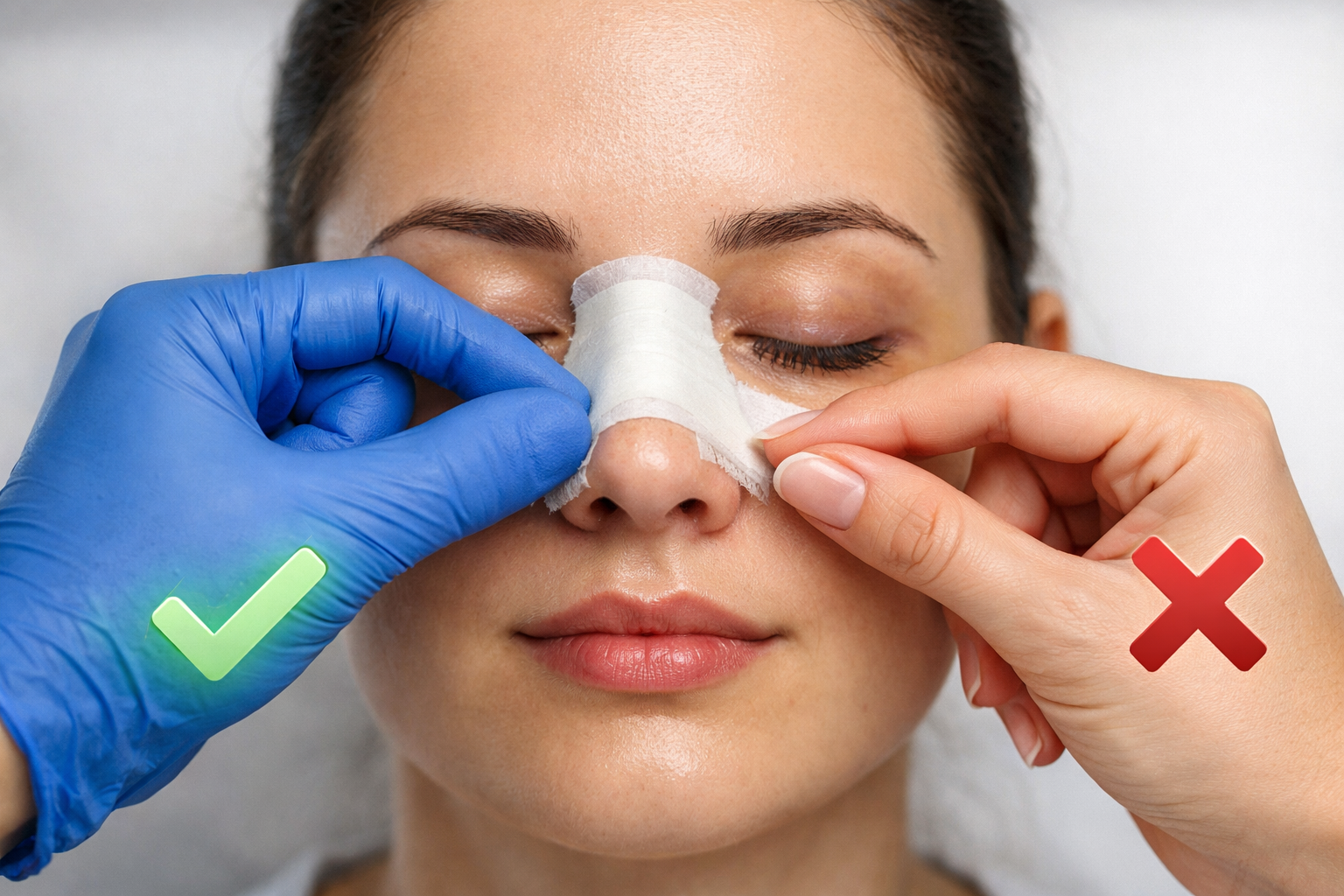
Can I Pinch My Nose After Rhinoplasty? What You Should (and Shouldn’t) Do
Rhinoplasty, commonly referred to as a nose job, is a surgical procedure that reshapes the nose for aesthetic or functional purposes. It is essential for patients to understand the implications of their post-operative behaviors, particularly concerning the nose's healing process. One common question that arises among post-operative patients is: can I pinch my nose after rhinoplasty? In this article, we will delve into this query and provide comprehensive guidelines on what activities are safe during your recovery.
Understanding Rhinoplasty Recovery
After undergoing rhinoplasty, patients typically experience swelling, bruising, and discomfort in the nasal area. The healing process can vary significantly from person to person, influenced by factors such as the extent of the surgery, individual health conditions, and adherence to post-operative care instructions. During this crucial recovery period, it is vital to follow your surgeon's advice to ensure optimal healing.
Why You Should Avoid Pinching Your Nose
Pinching your nose after rhinoplasty can pose several risks. Firstly, the surgical site is still sensitive and vulnerable to pressure. Applying pressure by pinching can lead to complications such as:
- Increased Swelling: Pinching may exacerbate the swelling already present post-surgery, delaying recovery.
- Altered Healing: Pressure on the nose can affect the final shape and structure, potentially leading to unsatisfactory results.
- Risk of Infection: Touching your nose can introduce bacteria, increasing the risk of infection.
For these reasons, it is generally advised to avoid pinching or applying pressure to the nose during the initial healing phase, which can last several weeks.
What You Can Do After Rhinoplasty
While it is crucial to avoid certain actions like pinching your nose, there are several safe practices you can adopt to promote healing:
- Follow Your Surgeon’s Instructions: Adhere to the post-operative care guidelines provided by your plastic surgeon, including medication schedules and follow-up appointments.
- Keep Your Head Elevated: Sleeping with your head elevated can help reduce swelling and promote better blood circulation.
- Apply Cold Compresses: Using cold compresses around the eyes and nose can help minimize swelling and discomfort.
- Stay Hydrated: Drinking plenty of fluids can aid in the healing process and help reduce swelling.
- Limit Physical Activity: Avoid strenuous activities and heavy lifting for a few weeks to prevent strain on your healing nose.
Signs of Complications
During your recovery, it is essential to monitor your healing process. Be aware of signs that may indicate complications, such as:
- Persistent or increasing pain that is not relieved by prescribed medications.
- Fever or chills, which may indicate an infection.
- Excessive swelling or bruising that does not subside after a few days.
- Discharge from the nose that is foul-smelling or discolored.
If you experience any of these symptoms, contact your surgeon immediately for guidance.
Conclusion
In summary, the question can I pinch my nose after rhinoplasty is best answered with a resounding no. Post-operative care is crucial for ensuring a successful recovery and achieving the desired results from your surgery. By avoiding activities that could jeopardize your healing, such as pinching your nose, and following your surgeon's recommendations, you can help facilitate a smooth recovery process. If you have any concerns or experience persistent pain, do not hesitate to consult your healthcare provider.
FAQ
1. How long should I avoid touching my nose after rhinoplasty?
It is advisable to avoid touching or pinching your nose for at least the first few weeks after surgery. Always follow your surgeon's specific guidelines.
2. What activities should I avoid after rhinoplasty?
Avoid strenuous exercise, heavy lifting, and any activity that may put pressure on your nose for at least a month after surgery.
3. When can I return to normal activities after rhinoplasty?
Most patients can return to light activities within a week, but full recovery and return to all normal activities may take several weeks to months.
4. How can I reduce swelling after rhinoplasty?
Keeping your head elevated, using cold compresses, and staying hydrated can help reduce swelling during recovery.
5. What should I do if I notice unusual symptoms after rhinoplasty?
Contact your surgeon immediately if you notice unusual symptoms such as excessive pain, swelling, or discharge.
Medical Disclaimer
The information provided in this article is for informational purposes only and should not be considered a substitute for professional medical advice, diagnosis, or treatment. Always seek the advice of your physician or another qualified health provider with any questions you may have regarding a medical condition or treatment. Never disregard professional medical advice or delay in seeking it because of something you have read in this article.
If you experience persistent pain or have concerns about your recovery, we encourage you to consult with your healthcare provider for personalized advice.