Best Sleeping Position After Rhinoplasty: Tips to Sleep Safely and Reduce Swelling
Undergoing rhinoplasty is a significant step towards enhancing your facial aesthetics and improving your breathing. One crucial aspect of your recovery process is your sleeping position after rhinoplasty. Proper positioning can greatly influence your comfort level and the speed of your healing. In this article, we will discuss the best sleeping positions post-surgery, tips to ensure a restful night, and how to minimize swelling.
Understanding the Importance of Sleeping Position
After rhinoplasty, your body needs time to heal, and your sleeping position plays a vital role in this process. The right position can help reduce swelling, prevent complications, and promote overall comfort. During the initial recovery phase, it is essential to avoid any pressure on your nose and to maintain an elevated position to facilitate drainage and reduce inflammation.
Recommended Sleeping Positions
1. Elevate Your Head
One of the most effective sleeping positions after rhinoplasty is to keep your head elevated. This can be achieved by using extra pillows or a wedge pillow. Elevation helps to reduce blood flow to the nasal area, thereby minimizing swelling and bruising. Aim to keep your head at least 30 degrees higher than your heart.
2. Sleep on Your Back
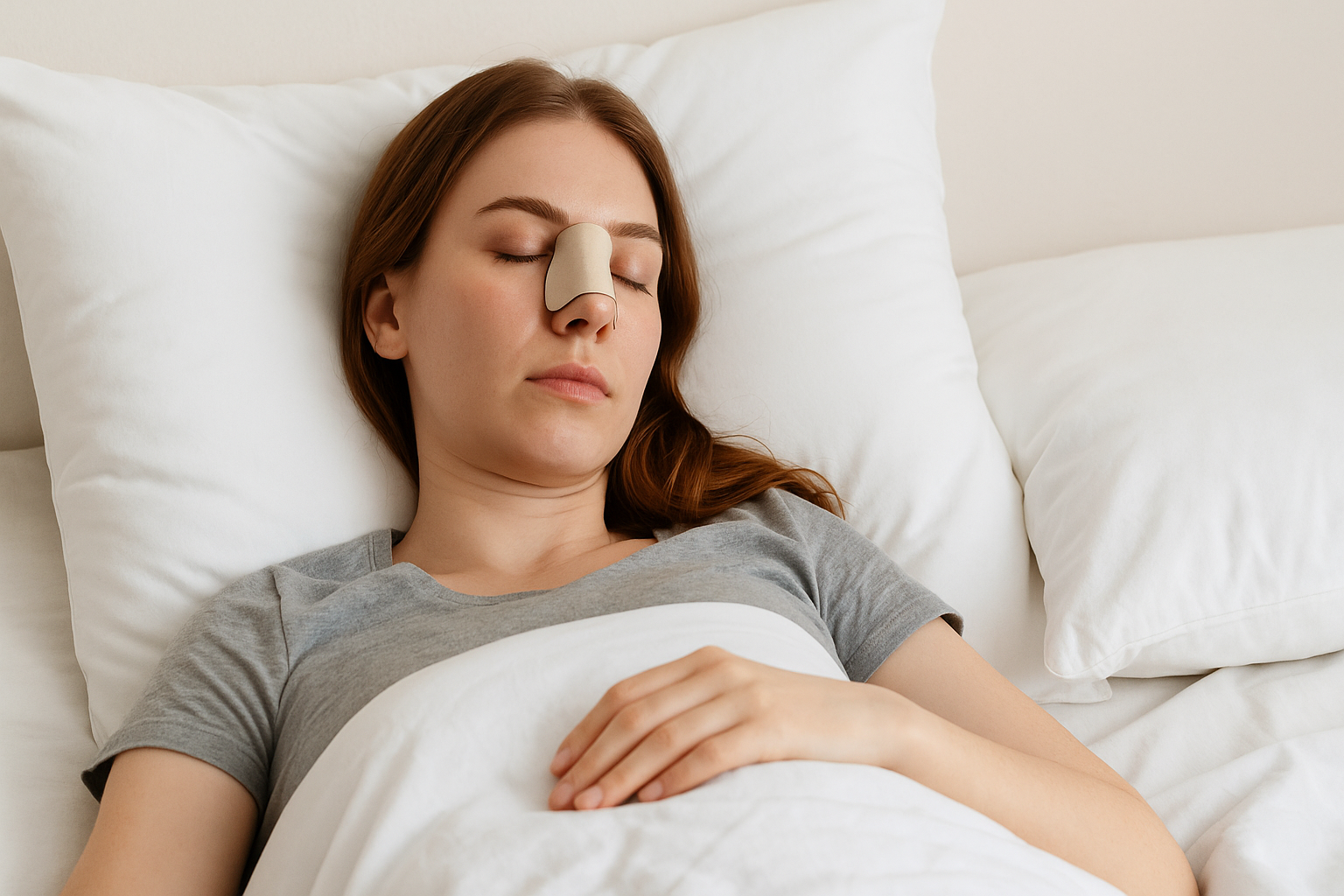
Sleeping on your back is the safest position after rhinoplasty. This position prevents any direct pressure on your nose, which is crucial for healing. If you are accustomed to sleeping on your side or stomach, it may take some time to adjust, but it is essential for a smooth recovery.
3. Avoid Side and Stomach Sleeping
It is vital to avoid sleeping on your side or stomach for at least the first few weeks post-surgery. These positions can exert pressure on your nose and disrupt the healing process. If you find it challenging to stay on your back, consider using pillows to create a barrier that discourages rolling over during sleep.
Additional Tips for a Comfortable Sleep
1. Use a Humidifier
Dry air can irritate your nasal passages, especially after surgery. Using a humidifier in your bedroom can help keep the air moist, making it easier to breathe and enhancing your comfort while you sleep.
2. Maintain a Calm Environment
Creating a peaceful sleeping environment is essential for quality rest. Keep the room dark and quiet, and consider using earplugs or a sleep mask if necessary. A calm atmosphere can promote relaxation and improve your overall sleep quality.
3. Take Pain Medication as Prescribed
If you experience discomfort, take your prescribed pain medication before bedtime. This can help you fall asleep more easily and stay asleep longer, facilitating better recovery.
Monitoring Your Recovery
During your recovery period, it is crucial to monitor your symptoms. Keep an eye on any swelling, bruising, or unusual pain. If you notice significant changes or have concerns about your healing process, do not hesitate to contact your surgeon. Regular follow-ups are essential to ensure that you are healing properly.
Conclusion
In conclusion, your sleeping position after rhinoplasty plays a significant role in your recovery journey. By following the recommended sleeping positions, such as keeping your head elevated and sleeping on your back, you can help reduce swelling and ensure a comfortable healing process. Remember to create a calming environment and adhere to your medication schedule to promote restful sleep. If you have any concerns about your recovery, consult your healthcare provider.
FAQ
What is the best sleeping position after rhinoplasty?
The best sleeping position is on your back with your head elevated to reduce swelling and prevent pressure on your nose.
How long should I sleep elevated after rhinoplasty?
You should sleep elevated for at least the first week after surgery, or as directed by your surgeon.
Can I sleep on my side after rhinoplasty?
No, it is recommended to avoid sleeping on your side for at least several weeks post-surgery to prevent pressure on your nose.
What can I do to improve my sleep quality after rhinoplasty?
Use a humidifier, maintain a calm environment, and take pain medication as prescribed to enhance your sleep quality during recovery.
When can I return to my normal sleeping position?
Most patients can return to their normal sleeping positions within 4 to 6 weeks, but always consult your surgeon for personalized advice.
Medical Disclaimer
The information provided in this article is for informational purposes only and should not be considered a substitute for professional medical advice, diagnosis, or treatment. Always seek the advice of your physician or another qualified health provider with any questions you may have regarding a medical condition or treatment. Never disregard professional medical advice or delay in seeking it because of something you have read in this article.
If you experience persistent pain or discomfort, please consult your healthcare provider for further evaluation and guidance.