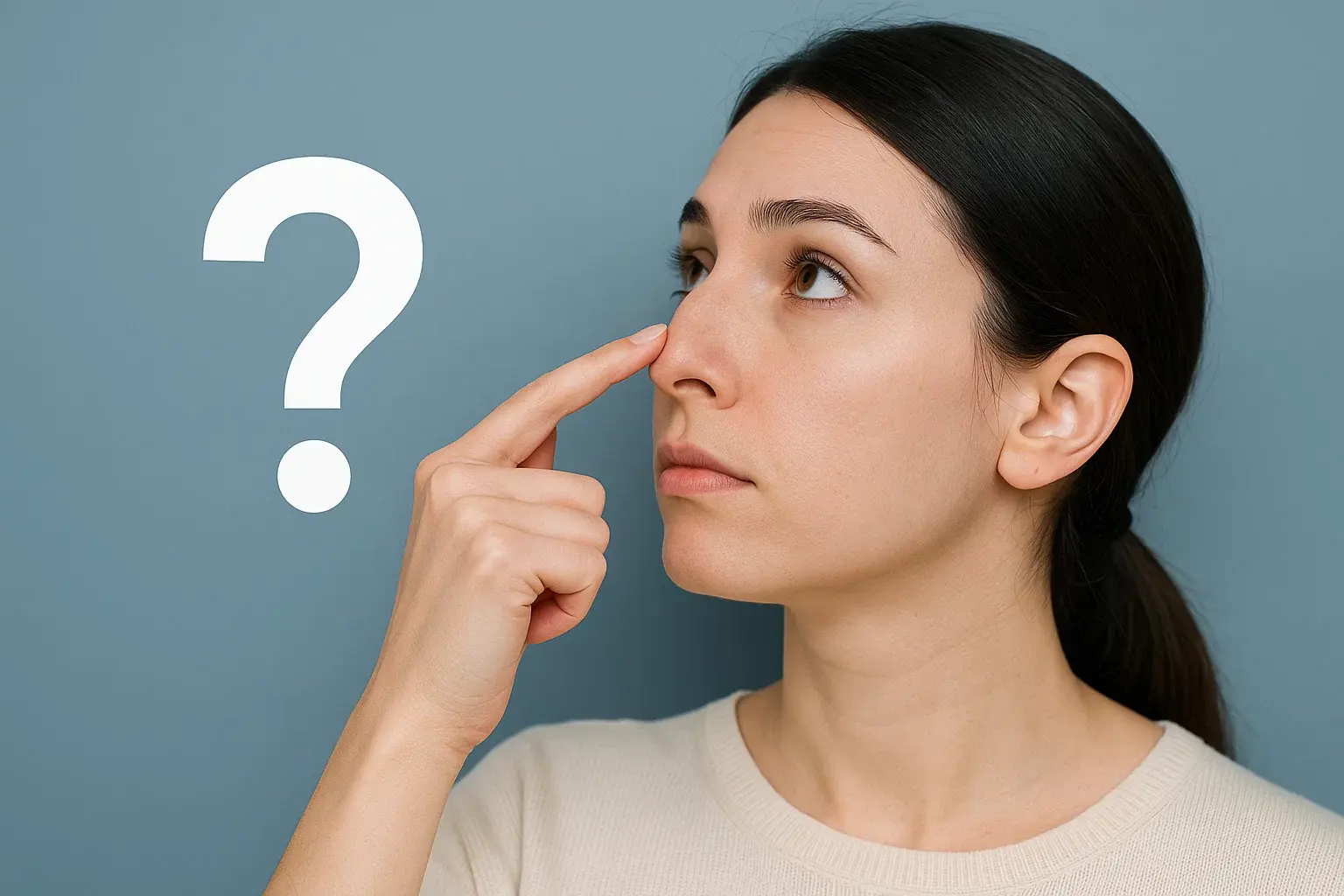
Am I a Candidate for Rhinoplasty? Key Factors to Know Before Surgery
Rhinoplasty, commonly known as a nose job, is a surgical procedure aimed at reshaping the nose for aesthetic or functional reasons. If you are considering this surgery, you may find yourself asking, “Am I a candidate for rhinoplasty?” This article will explore the essential factors that determine your eligibility for the procedure, including health considerations, nose structure, and realistic expectations.
Understanding Rhinoplasty
Rhinoplasty can address various concerns such as the size and shape of the nose, nasal symmetry, and breathing difficulties due to structural issues. It can enhance facial harmony and improve self-esteem for many individuals. However, not everyone is a suitable candidate for this procedure.
Key Factors to Determine Candidacy
1. Age Considerations
One of the primary factors in determining candidacy for rhinoplasty is age. Most surgeons recommend that patients wait until their facial growth is complete, which typically occurs in late adolescence. For females, this is usually around age 15-16, while for males, it may be closer to 17-18.
2. Physical Health
Your overall health plays a crucial role in your eligibility for rhinoplasty. Candidates should be in good physical condition, without any chronic illnesses that could complicate surgery or recovery. Conditions such as uncontrolled diabetes, bleeding disorders, or severe respiratory issues may disqualify you from being a suitable candidate.
3. Nasal Structure and Concerns
The specific characteristics of your nose are also vital in assessing candidacy. If you have a deviated septum, large nasal humps, or other structural issues that affect breathing, rhinoplasty may be recommended. Conversely, if your nasal structure is healthy and proportionate, you may not need surgery.
4. Realistic Expectations
Having realistic expectations regarding the outcomes of rhinoplasty is essential. While the surgery can significantly enhance your appearance, it is important to understand that results may vary. A good candidate should have a clear understanding of what can be achieved and should not expect perfection.
5. Psychological Factors
Psychological readiness is another critical aspect of candidacy. Candidates should be emotionally stable and not seeking surgery as a solution to deeper psychological issues. A consultation with a mental health professional may be advisable for those who exhibit signs of body dysmorphic disorder or similar conditions.
6. Commitment to Recovery
Rhinoplasty requires a commitment to the recovery process. Candidates should be prepared to follow post-operative care instructions, which may include avoiding strenuous activities, managing swelling, and attending follow-up appointments. A willingness to adhere to these guidelines is crucial for a successful outcome.
Consultation with a Qualified Surgeon
The best way to determine if you are a candidate for rhinoplasty is to consult with a qualified plastic surgeon. During your consultation, the surgeon will assess your health, discuss your concerns, and evaluate your nose structure. They will also provide insights into the potential risks and benefits of the surgery, helping you make an informed decision.
Conclusion
In summary, determining whether you are a candidate for rhinoplasty involves considering various factors, including age, health status, nasal structure, expectations, psychological readiness, and commitment to recovery. If you are contemplating this procedure, it is crucial to seek professional advice to ensure that you are making the right choice for your health and well-being.
FAQ
1. How do I know if I need rhinoplasty?
If you have concerns about the appearance of your nose or experience breathing difficulties, a consultation with a qualified surgeon can help determine if rhinoplasty is appropriate for you.
2. What is the recovery time for rhinoplasty?
Recovery time varies, but most patients can return to normal activities within 1-2 weeks, while complete healing may take several months.
3. Are there risks associated with rhinoplasty?
Like any surgery, rhinoplasty carries risks such as infection, bleeding, and dissatisfaction with results. Discuss these risks with your surgeon during the consultation.
4. Can rhinoplasty be performed on older adults?
Yes, older adults can be candidates for rhinoplasty, provided they are in good health and have realistic expectations about the surgery.
5. Will insurance cover rhinoplasty?
Insurance may cover rhinoplasty if it is performed for medical reasons, such as correcting a deviated septum. However, cosmetic procedures are typically not covered.
Medical Disclaimer
The information provided in this article is for informational purposes only and should not be considered a substitute for professional medical advice, diagnosis, or treatment. Always seek the advice of your physician or another qualified health provider with any questions you may have regarding a medical condition or treatment. Never disregard professional medical advice or delay in seeking it because of something you have read in this article.
If you are experiencing persistent issues with your nose or are considering rhinoplasty, we encourage you to consult with a qualified surgeon to discuss your options and ensure the best possible outcome.