Long-Term Effects of Rhinoplasty: What to Expect Years After Surgery
Rhinoplasty, commonly known as nose surgery, is a popular cosmetic procedure aimed at enhancing the aesthetic appearance of the nose or improving its function. As with any surgical procedure, understanding the long-term effects of rhinoplasty is crucial for prospective patients. This article delves into the potential outcomes, benefits, and considerations that one should keep in mind when contemplating rhinoplasty.
Many individuals considering this surgery are often concerned about the results years down the line. Will the changes last? Are there any complications that could arise over time? In this comprehensive guide, we will explore these questions and more.
Understanding Rhinoplasty
Rhinoplasty is a surgical procedure that can reshape the nose by altering its bone and cartilage structure. It can be performed for cosmetic reasons, such as improving the nose's appearance, or for medical reasons, such as correcting breathing issues caused by structural abnormalities. The surgery typically involves making incisions inside the nostrils or across the columella (the tissue between the nostrils) to access the underlying structures.
Immediate vs. Long-Term Effects
While the immediate effects of rhinoplasty are often visible shortly after the procedure, such as swelling and bruising, the long-term effects of rhinoplasty can take months or even years to fully manifest. Understanding these effects can help patients set realistic expectations for their recovery and results.
Physical Changes Over Time
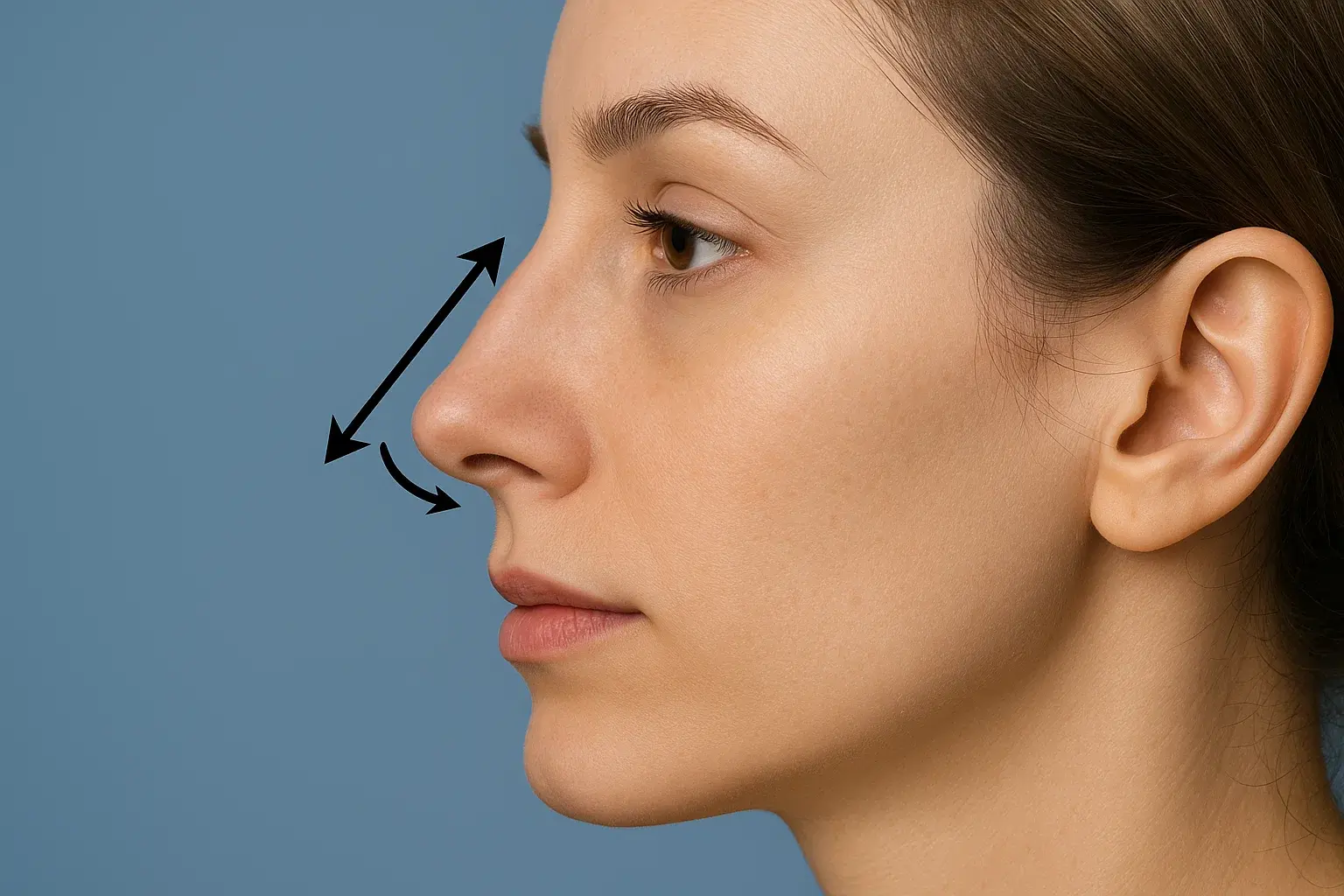
One of the most significant long-term effects of rhinoplasty is the physical change in the nose's structure. Initially, the nose may appear swollen, and it can take up to a year for the final shape to stabilize. Factors influencing this timeline include:
- Age: Younger patients may experience different healing processes compared to older individuals.
- Skin Type: Thicker skin may take longer to heal than thinner skin.
- Surgeon's Technique: The skill and approach of the surgeon can significantly impact the outcome.
Over time, the nose may continue to change slightly due to natural aging processes, which can affect the skin's elasticity and the underlying cartilage. For some patients, these changes may enhance their results, while for others, they may lead to dissatisfaction.
Psychological Impact
Beyond the physical changes, rhinoplasty can have profound psychological effects. Many patients report improved self-esteem and confidence following surgery. However, it is essential to consider that these emotional benefits can vary:
- Realistic Expectations: Patients with realistic expectations tend to be more satisfied with their results.
- Body Image Issues: Those with pre-existing body image concerns may still struggle with self-perception after surgery.
Long-term psychological effects should not be overlooked; ongoing support and counseling can be beneficial for those experiencing challenges post-surgery.
Potential Complications and Considerations
While rhinoplasty is generally considered safe, there are potential long-term complications that patients should be aware of. These may include:
- Breathing Difficulties: Some patients may experience nasal obstruction or difficulty breathing due to changes in the nasal structure.
- Changes in Appearance: As mentioned, the nose may continue to change over time, which could lead to dissatisfaction with the results.
- Scarring: Although most incisions are made inside the nostrils, visible scarring can occur in some cases, particularly with open rhinoplasty.
Regular follow-ups with the surgeon can help monitor these issues and address any concerns that arise.
Maintaining Results
To ensure the best long-term outcomes after rhinoplasty, patients should adhere to post-operative care instructions provided by their surgeon. This may include:
- Avoiding Strenuous Activities: Physical exertion can increase swelling and affect healing.
- Protecting the Nose: Patients should avoid contact sports and situations that may lead to nasal trauma.
- Regular Check-Ups: Scheduling follow-up appointments allows the surgeon to monitor recovery and address any potential complications early.
Additionally, maintaining a healthy lifestyle, including a balanced diet and avoiding smoking, can positively impact healing and overall well-being.
Conclusion
Understanding the long-term effects of rhinoplasty is vital for anyone considering this transformative procedure. While many patients enjoy lasting benefits, it's essential to acknowledge the potential for changes and complications over time. By setting realistic expectations, following post-operative care instructions, and maintaining open communication with healthcare providers, patients can enhance their satisfaction with the results.
If you are contemplating rhinoplasty, consider consulting with a qualified surgeon to discuss your goals and concerns. Remember, if you experience any persistent pain or complications post-surgery, seek medical advice promptly.
FAQ
What are the most common long-term effects of rhinoplasty?
The most common long-term effects include changes in the nose's shape, potential breathing difficulties, and psychological impacts such as improved self-esteem or ongoing body image issues.
How long does it take for rhinoplasty results to stabilize?
It can take up to a year for rhinoplasty results to fully stabilize, as swelling subsides and the nose continues to adjust.
Can rhinoplasty change my breathing?
While many patients experience improved breathing after rhinoplasty, some may encounter breathing difficulties due to changes in the nasal structure. Regular follow-ups can help address these issues.
Are there any risks associated with rhinoplasty?
As with any surgery, risks include infection, scarring, and dissatisfaction with results. It is crucial to discuss these risks with your surgeon beforehand.
How can I maintain the results of my rhinoplasty?
Maintaining results involves following post-operative care instructions, avoiding strenuous activities, and attending regular check-ups with your surgeon.
Medical Disclaimer
The information provided in this article is for informational purposes only and should not be considered a substitute for professional medical advice, diagnosis, or treatment. Always seek the advice of your physician or another qualified health provider with any questions you may have regarding a medical condition or treatment. Never disregard professional medical advice or delay in seeking it because of something you have read in this article.