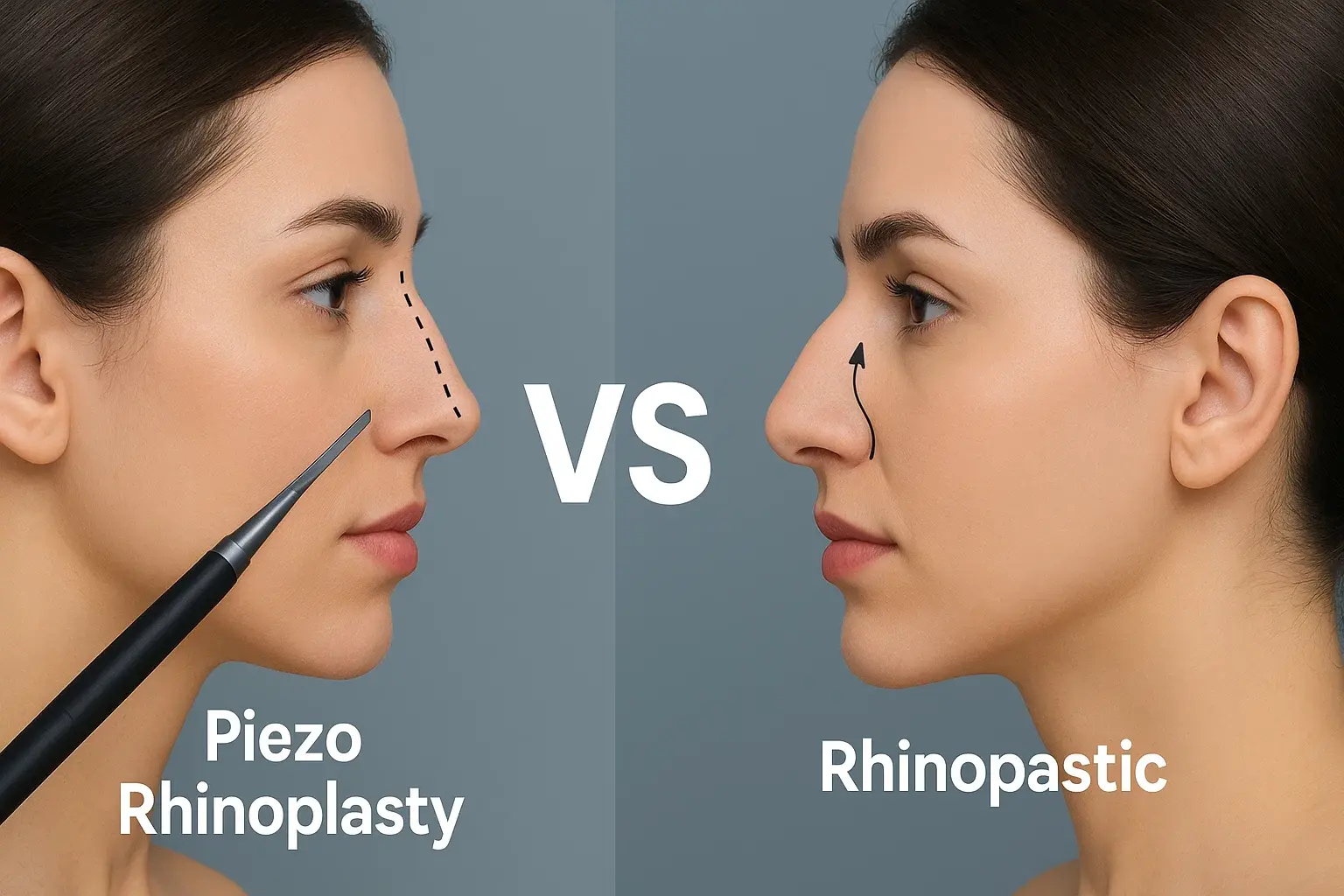
Piezo Rhinoplasty vs Traditional Rhinoplasty: Is Ultrasound the Future of Nose Surgery?
In recent years, the field of cosmetic surgery has seen significant advancements, particularly in the realm of nasal surgery. Among these innovations, piezo rhinoplasty has emerged as a modern alternative to traditional rhinoplasty. This article aims to explore the differences between piezo rhinoplasty and traditional rhinoplasty, focusing on their techniques, benefits, and the reasons why patients may prefer one over the other.
Rhinoplasty, commonly referred to as a nose job, is a surgical procedure aimed at altering the shape or function of the nose. Traditional rhinoplasty has been the gold standard for many years, but the introduction of piezoelectric technology has revolutionized how surgeons approach nasal surgery. This article will delve into the intricacies of both techniques and help patients make informed decisions regarding their options.
Understanding Traditional Rhinoplasty
Traditional rhinoplasty involves the use of manual instruments to reshape the nasal structure. Surgeons typically employ techniques that include cutting and repositioning bone and cartilage to achieve the desired aesthetic outcome. While traditional rhinoplasty has a long history of success, it is not without its drawbacks.
One of the primary challenges of traditional rhinoplasty is the potential for trauma to surrounding tissues. This can lead to complications such as swelling, bruising, and a longer recovery time. Additionally, the precision of the outcome heavily relies on the surgeon's skill and experience, which can vary significantly among practitioners.
The Emergence of Piezo Rhinoplasty
Piezo rhinoplasty, on the other hand, utilizes ultrasonic technology to sculpt the nasal bones. This technique involves the use of a piezoelectric device that emits ultrasonic vibrations, allowing the surgeon to cut bone with remarkable precision while minimizing damage to surrounding soft tissues.
One of the most significant advantages of piezo rhinoplasty is its minimally invasive nature. The ultrasonic vibrations cause less trauma, resulting in reduced swelling and bruising compared to traditional methods. Patients often experience a quicker recovery time and less postoperative discomfort.
Key Differences Between Piezo Rhinoplasty and Traditional Rhinoplasty
- Technique: Traditional rhinoplasty relies on manual instruments, while piezo rhinoplasty uses ultrasonic technology.
- Tissue Trauma: Piezo rhinoplasty causes less trauma to surrounding tissues, leading to reduced swelling and bruising.
- Precision: The piezoelectric device allows for greater precision in bone cutting, which can lead to more accurate aesthetic results.
- Recovery Time: Patients undergoing piezo rhinoplasty typically experience a faster recovery time compared to those who have traditional rhinoplasty.
- Postoperative Discomfort: The minimally invasive nature of piezo rhinoplasty often results in less postoperative pain and discomfort.
Benefits of Piezo Rhinoplasty
The benefits of piezo rhinoplasty extend beyond just the technical aspects of the procedure. Patients seeking a modern, gentle, and precise approach to nose surgery may find piezo rhinoplasty to be a compelling option. Some of the notable benefits include:
- Enhanced Safety: The reduced risk of trauma to surrounding tissues contributes to a safer surgical experience.
- Improved Aesthetic Results: The precision of the ultrasonic technique can lead to more refined and natural-looking results.
- Less Swelling and Bruising: Patients often report less postoperative swelling and bruising, which can enhance overall satisfaction with the procedure.
- Shorter Recovery Period: Many patients return to their daily activities sooner after piezo rhinoplasty than after traditional methods.
Who Should Consider Piezo Rhinoplasty?
Patients who are considering rhinoplasty should discuss their options with a qualified surgeon. Piezo rhinoplasty may be particularly suitable for individuals seeking:
- A less invasive surgical option with minimal recovery time.
- A precise and refined aesthetic outcome.
- A solution for complex nasal deformities that require careful bone manipulation.
Conclusion
In conclusion, the choice between piezo rhinoplasty and traditional rhinoplasty ultimately depends on individual patient needs and preferences. While traditional rhinoplasty has been a reliable method for many years, the advancements brought by piezo technology offer a modern alternative that prioritizes precision and patient comfort. As with any surgical procedure, it is crucial for patients to consult with experienced professionals to determine the best approach for their unique circumstances.
FAQ
What is the main difference between piezo rhinoplasty and traditional rhinoplasty?
The main difference lies in the technique: piezo rhinoplasty uses ultrasonic technology for precise bone cutting, while traditional rhinoplasty relies on manual instruments.
Is piezo rhinoplasty safer than traditional rhinoplasty?
Yes, piezo rhinoplasty is generally considered safer due to its minimally invasive nature, which reduces trauma to surrounding tissues.
How long is the recovery time for piezo rhinoplasty?
Patients typically experience a shorter recovery time with piezo rhinoplasty compared to traditional methods, often returning to normal activities sooner.
Are the results from piezo rhinoplasty more natural-looking?
Many patients report that the precision of piezo rhinoplasty leads to more refined and natural-looking results.
Medical Disclaimer
The information provided in this article is for informational purposes only and should not be considered a substitute for professional medical advice, diagnosis, or treatment. Always seek the advice of your physician or another qualified health provider with any questions you may have regarding a medical condition or treatment. Never disregard professional medical advice or delay in seeking it because of something you have read in this article.
If you are considering rhinoplasty and have concerns or questions, please consult with a qualified surgeon to discuss your options.