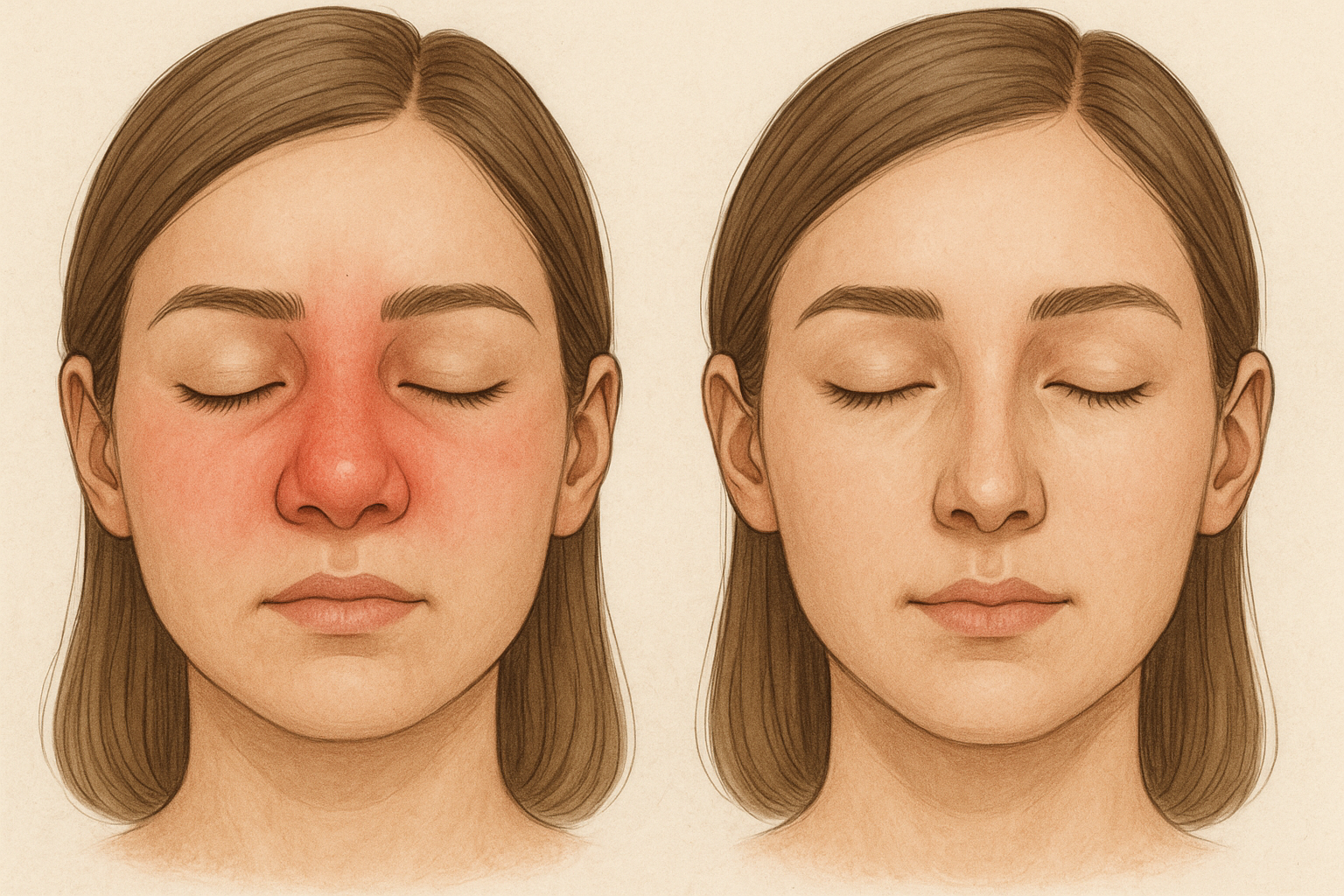
Rhinoplasty Swelling: How Long It Really Lasts
Rhinoplasty, commonly referred to as a nose job, is a surgical procedure that reshapes the nose for aesthetic or functional purposes. While patients often focus on the final results, one of the most common concerns immediately following the surgery is the swelling. Understanding how long after rhinoplasty does swelling last is crucial for managing expectations and planning recovery. In this article, we will explore the timeline of swelling after rhinoplasty, factors influencing it, and tips for effective recovery.
Understanding Swelling After Rhinoplasty
Swelling is a natural part of the healing process that occurs after any surgical procedure, including rhinoplasty. It is the body’s response to trauma and is influenced by various factors, including the extent of the surgery, individual healing responses, and post-operative care. While some swelling is expected, it is essential to understand what to anticipate during the recovery period.
Typical Swelling Timeline
Immediately after rhinoplasty, patients can expect significant swelling around the nose and eyes. Here’s a general timeline of what to expect:
- First 24-48 Hours: This is when swelling peaks. Patients may notice their nose looking larger than expected, and bruising may appear around the eyes.
- First Week: Swelling begins to subside, but patients may still experience noticeable puffiness. Most bruising will begin to fade during this period.
- 2-4 Weeks: By the end of the first month, swelling should significantly decrease. However, some residual swelling may still be present.
- 3-6 Months: Most of the swelling will have resolved, but subtle changes may continue to occur as the nose heals.
- 1 Year: The final results of rhinoplasty are typically evident after one year, with any remaining minor swelling having disappeared.
Factors Influencing Swelling Duration
Several factors can affect the duration and intensity of swelling after rhinoplasty:
- Type of Rhinoplasty: Closed rhinoplasty tends to have less swelling compared to open rhinoplasty due to less trauma to the nasal tissues.
- Individual Healing Response: Each patient's body heals differently. Factors such as age, overall health, and genetics can influence recovery.
- Post-operative Care: Following the surgeon’s post-operative instructions, including rest, ice application, and avoiding strenuous activities, can help minimize swelling.
- Surgeon’s Technique: The skill and technique of the surgeon play a significant role in how much swelling occurs and how quickly it resolves.
Tips for Reducing Swelling
Managing swelling effectively can enhance comfort and expedite recovery. Here are some tips to help reduce swelling after rhinoplasty:
- Ice Therapy: Applying ice packs to the nasal area for the first 48 hours can help reduce swelling and alleviate discomfort.
- Head Elevation: Keeping the head elevated, especially while sleeping, can help minimize swelling.
- Hydration: Staying well-hydrated supports the healing process and can help reduce swelling.
- Avoiding Salt: Limiting salt intake can prevent water retention, which may exacerbate swelling.
- Follow-Up Appointments: Regular follow-ups with your surgeon are essential to monitor healing and address any concerns.
When to Consult a Surgeon
While some swelling is normal after rhinoplasty, certain signs may indicate complications. Patients should consult their surgeon if they experience:
- Severe pain or discomfort that does not improve with medication.
- Persistent swelling that does not decrease after a few weeks.
- Signs of infection, such as fever or unusual discharge.
- Changes in breathing or other respiratory issues.
Conclusion
Understanding how long after rhinoplasty does swelling last is vital for patients as they navigate their recovery journey. While swelling is a natural part of the healing process, most patients can expect significant improvement within the first few weeks, with final results becoming apparent after one year. By following post-operative care instructions and consulting with their surgeon, patients can effectively manage swelling and enjoy their new nasal appearance.
FAQ
How long does swelling last after rhinoplasty?
Swelling typically peaks within the first 48 hours and begins to subside significantly within the first month, with most swelling resolving by six months.
What can I do to reduce swelling after rhinoplasty?
Applying ice, keeping your head elevated, staying hydrated, and following your surgeon’s post-operative instructions can help reduce swelling.
Is it normal to have swelling after rhinoplasty?
Yes, swelling is a normal part of the healing process after rhinoplasty, but it should gradually decrease over time.
When should I be concerned about swelling after rhinoplasty?
If swelling persists beyond several weeks or is accompanied by severe pain, fever, or breathing difficulties, you should contact your surgeon.
Can I speed up the healing process after rhinoplasty?
While healing takes time, following your surgeon’s advice and taking care of your body can support a smoother recovery.
Medical Disclaimer
The information provided in this article is for informational purposes only and should not be considered a substitute for professional medical advice, diagnosis, or treatment. Always seek the advice of your physician or another qualified health provider with any questions you may have regarding a medical condition or treatment. Never disregard professional medical advice or delay in seeking it because of something you have read in this article.
If you experience persistent pain or complications, please consult your healthcare provider for further evaluation.